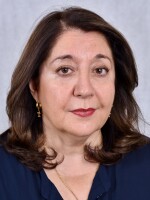
BEIRUT — Lebanese conservationist Mona Khalil was first introduced to a green sea turtle as she was drinking a beer on the beach and a female turtle laying eggs threw sand over her, according to a volunteer with the decades-long effort she began to save the endangered animals.
Khalil, 76, died Friday after an Israeli airstrike hit her beachside home two weeks ago. She's credited with creating a conservation movement in southern Lebanon that protected sea turtle nesting grounds and southern Lebanon's Mediterranean coast.
Her housekeeper, who is Ethiopian, sustained less-severe injuries in the attack, Khalil's relatives said. The two women were the only occupants of what was known as "the Orange House" just steps from the al-Mansouri beach near the city of Tyre.
The Israeli military said last week in response to an NPR query that it had no indication it had hit the house but was reviewing its records. It did not respond to a query about when the review might be completed.
Israel has invaded southern Lebanon and is attacking what it says are Iran-backed Hezbollah fighters and infrastructure. The Lebanese health ministry says more than 4,000 people have been killed since the war began on March 2, including at least 600 women and children. Israel says 35 soldiers and a military contractor along with two civilians have been killed in Hezbollah attacks.
Fadia Joumaa, a former volunteer who took over the turtle conservation effort, says Khalil had vowed to stay in her home during the fighting, believing she was safe because she was a civilian and there were no nearby targets.
Khalil trained a generation of volunteers in ecological conservation, protecting the Mediterranean coastline and the endangered sea turtles that travel hundreds of miles to return to the same beaches where they were hatched to lay their eggs.
Human encroachment, trash in the ocean and animal predators that eat the eggs and hatchlings mean newly hatched turtles have only about a 1 in 1,000 chance of surviving to adulthood.
The volunteers find clutches of eggs laid at night in late summer, protecting them with wire mesh. They then help the tiny turtles reach the water once hatched.
Rami Khachab, 32, a herpetologist originally from al-Mansouri, said he started volunteering in high school — going out with Khalil before dawn to walk the beaches looking for turtle nests.
He says after her introduction to the turtles during her evening drink on the beach roughly 25 years ago, Khalil reached out to European turtle protection organizations to learn everything she could about the creatures. She began monitoring nests, collecting data and working to keep the green sea and loggerhead turtle nests safe.
"Through the Orange House, she inspired generations of Lebanese to value and protect their natural heritage and coastal ecosystems. Her work made her one of Lebanon's most respected voices for marine conservation and biodiversity protection," said the environmental group Green Southerners.
It called for those responsible for the killings of Khalil and other civilians to be held accountable.
Joumaa, a Lebanese journalist, first met Khalil intending to do a story on her.
"You have to sweat and work hard the way I do before writing a single word," she says Khalil told her. Joumaa ended up not writing the story, but instead spent years volunteering with her before Khalil retired in 2020.
By that time, Khalil had turned the Orange House into an ecotourism guesthouse, an educational space for children and sea turtle observation point.
Joumaa says Khalil's work opposing the privatization of beaches and building along the southern coast eventually transformed the turtle nesting grounds into an officially recognized community-based conservation area.
But these conservation efforts, including a successful campaign to ban the use of dynamite in fishing, didn't always go smoothly. "Mona was a fighter. She did not like diplomacy. There were times when they shot at her house," Joumaa says, referring to local opponents.
"She always told me: Defend the beach, defend the turtles, defend your country."
Jawad Rizkhallah contributed reporting from Beirut.
Copyright 2026 NPR